


It’s simple math: Fewer people are entering the teaching profession, more areÌýleaving it, and many educators lack the qualifications required to teach Minnesota’sÌýincreasingly diverse student body. These factors have prompted teacher preparationÌýprograms—including those at Augsburg—to adapt in support of more inclusive,Ìýflexible learning environments that accommodate a spectrum of needs and abilities.
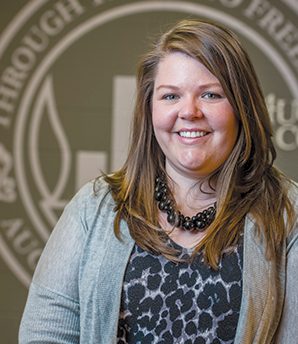
As the director of education programs at Augsburg’s Rochester location, Ìýis working alongside colleaguesÌýand legislators to better support and retain teachers and to inspire a more diverse workforce. She is driven to ensure theÌýnext generation of Minnesotans experience a meaningful education through hands-on, relevant learning.
Q: How does educating, training, andÌýemploying K-12 teachers with specialtyÌýbackgrounds improve our schools?
A: The demographics of our studentÌýpopulation have changed given theÌýinflux of new populations into our welcomingÌýstate and education’s shift to incorporateÌýstudents with special needs into the generalÌýclassroom. Because of this, teachers withÌýspecialty licenses are in demand, and theseÌýpositions are often tough to fill. AugsburgÌýis leading the charge to offer broaderÌýlicensures, which prepare teachers toÌýsucceed in today’s classrooms and qualifyÌýthem for a wide range of teaching positions.ÌýExposure to more teaching strategiesÌýand more specializations helps teacherÌýcandidates adapt and innovate so they canÌýoffer students multiple access points forÌýunderstanding.
Q: What’s an example of an innovativeÌýteaching strategy?
A: Students learn best when they’reÌýengaged in experiences that matter toÌýthem. We’ve been incorporating real-world,Ìýstudent-led experiences into the classroom,Ìýand the results are impressive. AugsburgÌýteacher candidates, for instance, are helpingÌýfourth- and fifth-graders write grants, speakÌýto community groups, navigate teamwork,Ìýand participate in democracy. It’s beenÌýamazing to watch our teachers transitionÌýto more of a coaching role, while studentsÌýtake the lead to apply classroom learning toÌýissues and situations of meaning to them.
Q: How do teachers recognize students’Ìýhome cultures and diverse experiences?
A: Although “English as a SecondÌýLanguageâ€� is a widely used term, weÌýsay, “English learners,â€� because it’s moreÌýaccurate given that some students learnÌýEnglish as a third or fourth language. WeÌýalso celebrate home culture and languageÌýrather than asking students to check theirÌýheritage at the door.ÌýIn special education, we try to be moreÌýinclusive. It used to be that educatorsÌýrelied on what was called a medicalÌýmodel of diagnosis and treatment. Today,Ìýwe recognize that our role isn’t as muchÌýabout changing someone as it is aboutÌýusing an approach that welcomes learnersÌýof different styles, that encourages supportÌýnetworks to address, adapt to, and respondÌýto each young person. We seek to accept,Ìýlisten, and innovate as we help studentsÌýgain as much as possible to prepare themÌýfor a fulfilling life.
Both approaches fall under an umbrellaÌýof universal design that can be applied toÌýall students, regardless of ability. If ourÌýgoal is understanding, then we must createÌýmultiple access points for students. We urgeÌýteacher candidates to get to know students,Ìýtheir families, and the community toÌýappreciate the backgrounds coming togetherÌýin each classroom.
Q: How do we inspire a workforce that isÌýmore reflective of diverse classrooms?Ìý
A: It’s well documented that studentsÌýretain more information and have aÌýpositive view of education when they relateÌýto teachers. We want to reach out to people who look like our students and come fromÌýthe same backgrounds, particularly thoseÌýalready working as teacher aides or in otherÌýsupporting roles. Growing teachers fromÌýwithin each community’s diverse populationÌýwill beget more teachers of color and inspireÌýsome to remain in their community to make aÌýlasting difference.
You Might Also Like

Steve Wozniak inspires Auggies
- on May 30, 2017
Commencement 2017
- on May 30, 2017